Authentic Dating Profiles: Printable Blueprint + Openers

Online-Dating Profile Blueprint: A Printable Plan for Authentic Profiles, First Messages, and Better Matches
A strong dating profile and a thoughtful first message work together: the profile earns the match, and the opener earns the reply. A printable system makes it easier to turn vague ideas (“I’m fun!”) into clear choices—photos that look like real life, prompts that signal compatibility, and message starters that sound like something you’d actually say. If you want a practical, repeatable way to build (and maintain) a profile across apps, the Online-Dating Profile Blueprint (printable guide) is designed to help you do it in one focused sitting and refresh it quickly over time.
What “authentic” looks like in a dating profile
“Authentic” doesn’t mean oversharing or writing a memoir. It means your profile matches your day-to-day reality, so the first date feels familiar rather than surprising. That alignment matters because most early impressions are built from tiny signals: your photos, what you choose to mention, and the tone of your writing.
- A profile that matches real life: photos, interests, and tone should line up with what your weeks actually look like.
- Specificity over adjectives: swap “fun” and “easygoing” for concrete details—your weekend routine, favorite places, small habits.
- Warm clarity: show personality while stating basics early (relationship goals, lifestyle non-negotiables) to reduce mismatches.
- Consistency across profile fields: your bio, prompts, and captions should reinforce the same story rather than competing for attention.
This is also where healthy self-disclosure helps: you share enough to be understood without dumping everything at once. If you’re curious about the concept, the APA’s definition of self-disclosure is a useful framing for what’s “enough” in early connection.
The profile blueprint: build it in 30–60 minutes
The fastest way to get unstuck is to pick a “through-line” and build everything around it—photos, bio, and prompts all pointing to the same you.
Step-by-step plan
- Step 1: Choose one through-line. Examples: curious foodie, outdoors-on-weekends, arts-and-coffee, active urban explorer.
- Step 2: Draft a 2–3 sentence bio. Answer: who you are, what you enjoy, and what you’re looking for—without sounding like a job posting.
- Step 3: Fill prompts with balance. Mix values (what matters), vibe (how time is spent), and invitation (easy ways to respond).
- Step 4: Add one playful detail. A quirky preference, a small challenge, or a local recommendation request creates a natural hook.
- Step 5: Do the scan test. Remove anything that could describe almost anyone; keep what a friend would recognize as uniquely you.
Profile components and what they’re meant to do
| Component | Purpose | Quick example |
|---|---|---|
| Bio (2–3 sentences) | Set tone and context | “Museum mornings, long walks, and trying one new recipe a week. Looking for someone kind, curious, and ready for real dates.” |
| Prompt: Values | Signal compatibility | “A green flag: being good to service staff.” |
| Prompt: Lifestyle | Make your week visible | “Ideal Sunday: coffee, errands, then a long walk and a movie.” |
| Prompt: Invitation | Give an easy opener | “Tell me your best underrated restaurant in town.” |
| Photos (5–6) | Show daily life and vibe | One clear face shot, one full-body, one hobby, one social, one “day-in-the-life” |
Photo selection that supports better matches
Photos do most of the “reading” for people—fast. A strong set makes it easy to understand what being with you might feel like on a normal Saturday.
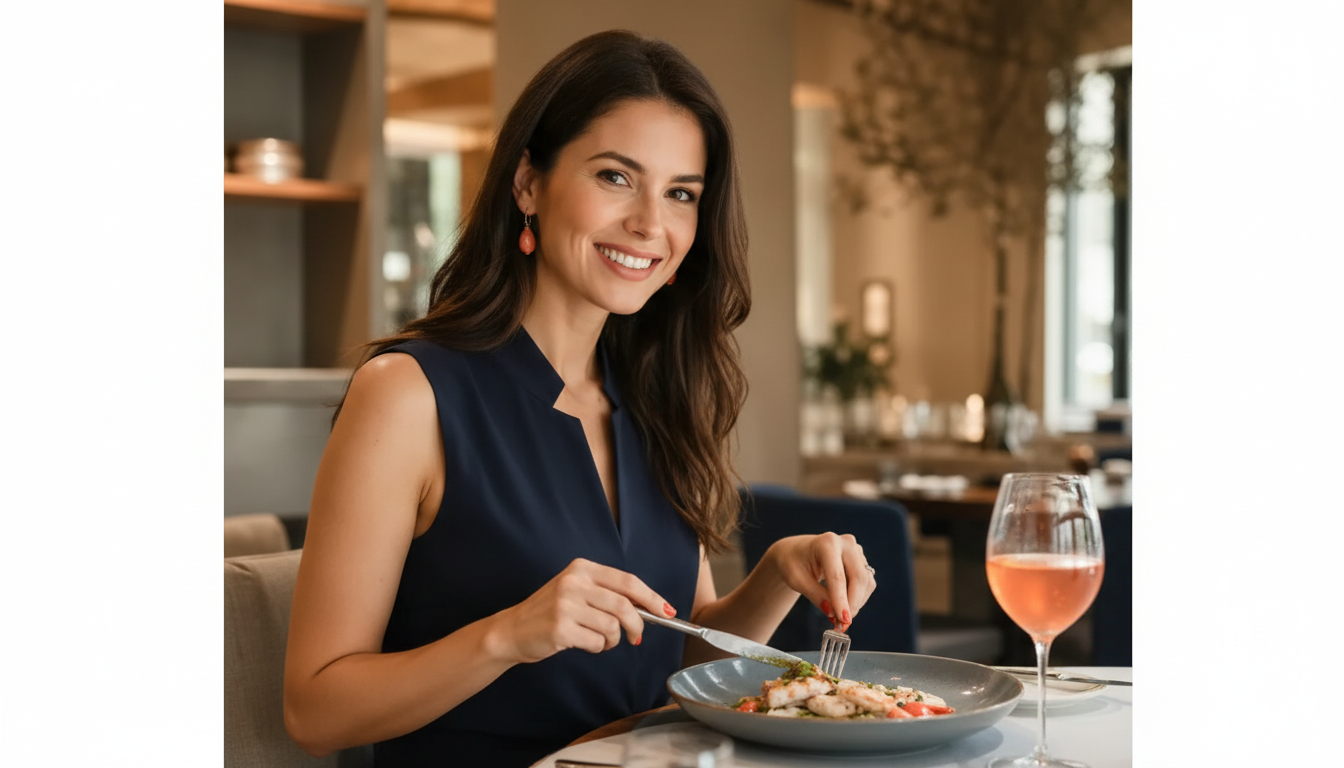
- Lead with a bright, recent solo photo with clear eye contact; skip heavy filters and sunglasses up front.
- Include variety: one full-body photo, one hobby/action photo, and one social photo (where you’re still easy to identify).
- Keep photos current: aim for the last 12–18 months; if you use older favorites, make sure they still reflect your current look and style.
- Avoid common confusion: group-photo-first, blurry shots, overly edited images, and photos with unclear context.
- Captioning tip: short captions add warmth and clarity (“favorite hiking loop,” “post-run coffee spot,” “cooking my go-to pasta”).
If you want a data-driven view of how common online dating is (and how it fits into modern relationships), Pew Research Center’s reporting on online dating offers helpful context.
First messages that get replies (without sounding scripted)
A good opener feels personal, not performative. The goal isn’t to impress—it’s to make replying easy and inviting.
If you’re building confidence around online conversation tone—how to be friendly, clear, and appropriate without overthinking—pairing your dating approach with a communication refresher like Digital Literacy for Everyday Life (online communication etiquette) can make your messages feel smoother across the board.
Better matches: tightening filters and signaling what you want
If dating apps tend to spike anxiety, having a calming routine can help you stay consistent and avoid burnout—especially around messaging windows and first-date planning. Consider support tools like The Anxiety Relief Bundle: A Path to Calm to keep the process steady and grounded.
How the printable guide helps turn ideas into a finished profile
The Online-Dating Profile Blueprint (printable guide) works like a fill-in system, so you’re not staring at a blinking cursor. It’s built to help you make a few strong decisions—then keep them consistent.
A quick weekly refresh routine (10 minutes)
FAQ
How to build a great online dating profile?
Use 5–6 recent photos plus a short, specific bio that reflects real life, then add prompts that show values, lifestyle, and an easy invitation to reply. Cut generic words and keep the tone warm and straightforward so the right people can recognize themselves in what you’ve written.










Leave a comment