Healthy Meal Delivery: What to Check Before You Order
Are meal delivery services actually healthy?
Meal delivery services can be healthy, but they’re only as healthy as the specific plan and portions chosen. Many services offer balanced options with lean proteins, vegetables, whole grains, and clear nutrition labels. Others lean heavily on creamy sauces, refined carbs, or oversized portions that can turn a “convenient” dinner into a high-sodium, high-calorie habit.
A quick way to judge a meal’s health is to scan for three things: overall calories that match your needs, protein that supports fullness, and sodium that isn’t sky-high. As a general guide, many people do well with meals around 400–700 calories, 20–35g of protein, and sodium kept closer to 600–800mg when possible. Individual needs vary, especially for athletes, older adults, or anyone managing blood pressure.
What makes a meal delivery plan healthier?
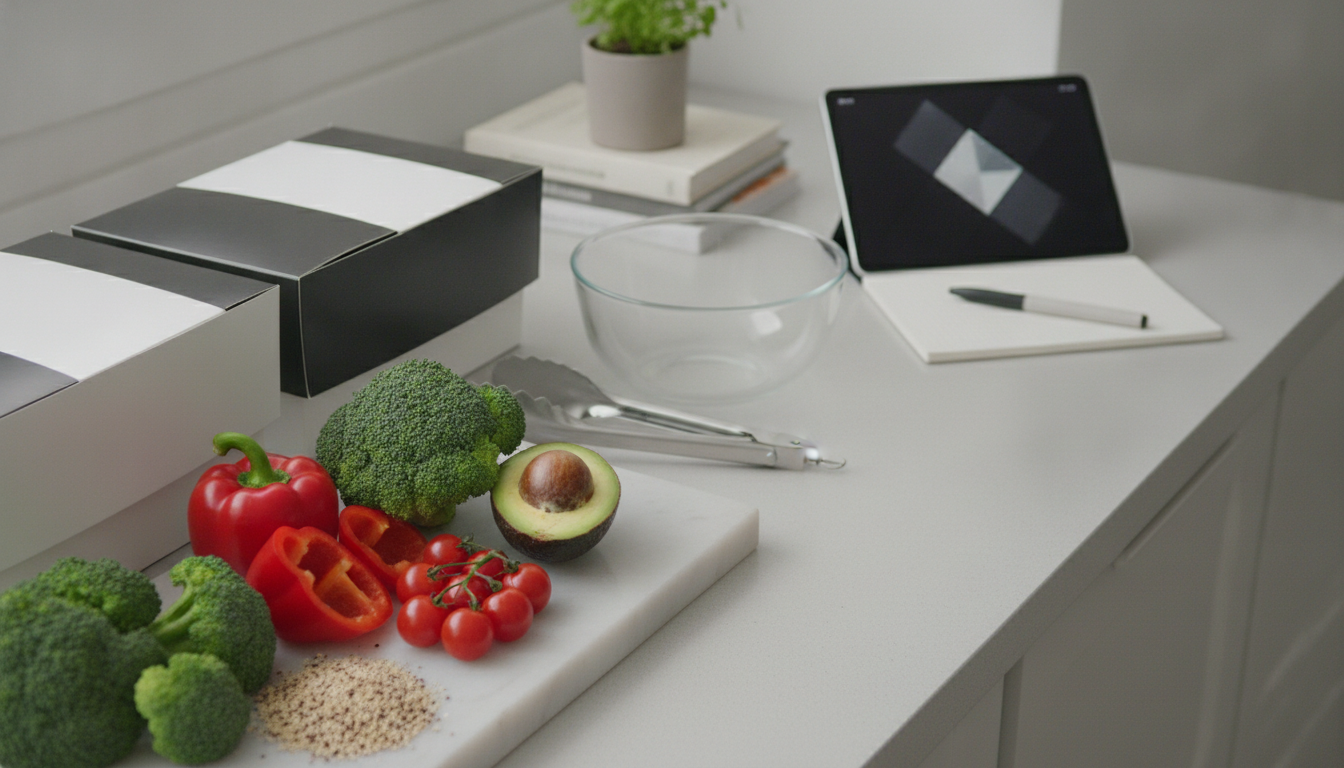
Look for meals that feature vegetables as a main component (not just a garnish), whole-food carbs like brown rice or sweet potatoes, and fats from sources like olive oil, avocado, nuts, or seeds. Prioritize options labeled as “balanced,” “high-protein,” or “heart-healthy,” then confirm the nutrition panel matches the label. Also check added sugar—some “healthy” bowls hide sweetness in dressings and glazes.
Common pitfalls to watch for
Prepared meals and kits often rely on salt for flavor and shelf life, so sodium can climb quickly. Another issue is portion creep: even wholesome ingredients can derail goals if the meal size consistently exceeds what you need. Finally, variety matters—repeating the same few meals can limit micronutrients and fiber over time.
How to make meal delivery work for your goals
Choose a service that lets you filter by nutrition targets, then build a weekly mix: a few high-protein meals, a few veggie-forward meals, and at least one simple option that’s lighter. If sodium is high, pair the meal with a no-salt side like salad greens, steamed veggies, or fruit. For a practical blueprint to keep things balanced across the week, see this guide to balanced meal plans for 1 week or 1 month.
FAQ
What should I look for on meal delivery nutrition labels?
Aim for a calorie range that fits your day, at least 20g of protein for better satiety, higher fiber, and sodium that isn’t excessive. Watch added sugars in sauces and dressings, and check saturated fat if you’re choosing meals frequently.












Leave a comment