Anxiety Relief Bundle: Mindfulness & Calm Routine
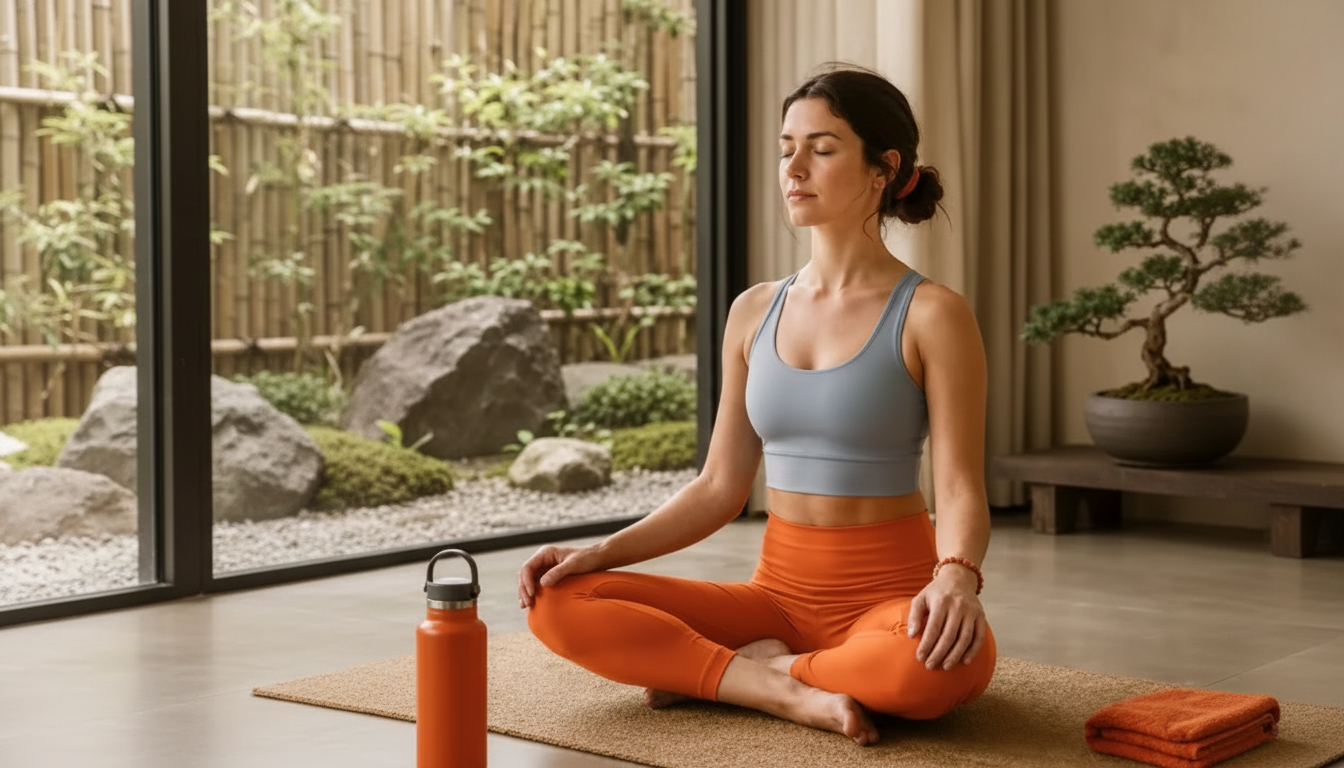
The Anxiety Relief Bundle: A Path to Calm
Anxiety can show up as racing thoughts, a tight chest, restless sleep, or a constant feeling of being “on.” A practical way to respond is to combine short calming exercises with a clear routine and simple mindset tools. The Anxiety Relief Bundle: A Path to Calm is designed to help build that routine using mindfulness exercises, positive thinking prompts, a printable checklist, and a course outline that organizes everything into an easy path to follow.
While self-guided tools can be genuinely helpful, it’s also important to understand when to add extra support. For background on anxiety symptoms and treatment options, these resources are a solid place to start: National Institute of Mental Health (NIMH) — Anxiety Disorders and American Psychological Association (APA) — Anxiety.
What’s Inside the 4-in-1 Bundle
This bundle is built around a simple idea: calm the body first, then guide the mind, and make it repeatable with structure.
- Mindfulness exercises to help settle the nervous system and bring attention back to the present moment
- Positive thinking tools that focus on realistic reframes (not forced positivity) and more balanced self-talk
- Printable checklist to turn helpful practices into a repeatable daily or weekly plan
- Course outline that sequences the materials into steps, so it’s easier to start and continue
- Designed for quick use: short practices for busy days plus options for deeper sessions when time allows
Bundle Components at a Glance
| Component | What it supports | Best time to use |
|---|---|---|
| Mindfulness exercises | Grounding, calming physical tension, interrupting spirals | Morning reset, mid-day stress spikes, bedtime wind-down |
| Positive thinking prompts | Balanced perspective, reducing catastrophic thoughts | After an anxious episode, during journaling, before challenging tasks |
| Printable checklist | Consistency, habit-building, tracking what helps | Daily planning, weekly review |
| Course outline | Structure, pacing, clear next steps | When restarting after a break or setting a new routine |
Who This Bundle Can Help Most
- People who feel overwhelmed by too many options and want a straightforward sequence of steps
- Anyone looking for screen-light tools (printables) alongside guided structure (outline)
- Those who benefit from checklists, routines, and small daily practices rather than one big solution
- Beginners who want simple exercises that don’t require prior meditation experience
- Busy professionals, students, caregivers, and anyone needing short practices that fit into real schedules
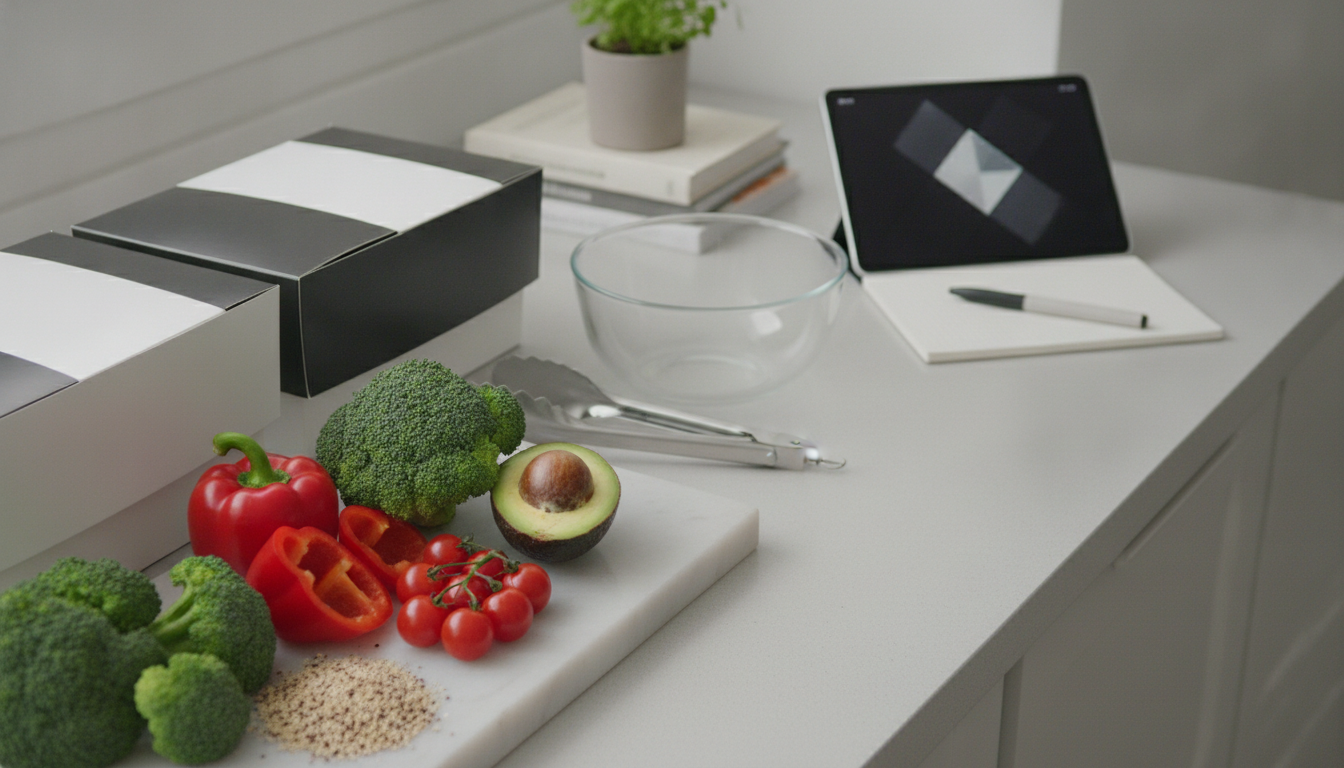
If anxiety is amplified by day-to-day stressors like inconsistent meals or low energy, pairing calming skills with supportive routines can help. Some people also like having a basic wellness plan on hand, such as Healthy Meal Plan & Recipe Collection, to reduce decision fatigue around food during busy weeks.
A Simple Routine: Morning, Midday, Evening
The most effective routine is the one that’s realistic. Instead of waiting for a perfect day, use time “anchors” that already exist: waking up, a midday pause, and the transition to sleep.
- Morning (3–7 minutes): choose one mindfulness practice to set a calmer baseline before the day accelerates
- Midday (2–5 minutes): use a grounding exercise at the first signs of spiraling thoughts (tightness, agitation, rushing)
- Evening (5–10 minutes): use a short reflection and a positive thinking prompt to reduce rumination before sleep
- Use the printable checklist to decide in advance which practice happens at each time of day
- Keep the routine flexible: consistency matters more than duration
If you tend to feel more anxious after long stretches of screens or constant notifications, building small “offline resets” into your routine can make a noticeable difference. For practical boundaries around tech and communication overload, Digital Literacy for Everyday Life can complement a calm-focused routine by reducing friction in daily digital tasks.
Mindfulness Exercises That Pair Well With Everyday Triggers
Mindfulness doesn’t have to mean long, silent sessions. Short practices can be enough to interrupt the “alarm loop” and bring you back to the present.
- Racing thoughts: try a brief “label and return” practice (notice the thought, label it, return attention to breath or sound)
- Physical tension: scan for tight areas and soften them with a slow exhale (longer exhale than inhale)
- Social or performance anxiety: grounding through senses (5 things seen, 4 felt, 3 heard, 2 smelled, 1 tasted)
- Workload pressure: one-minute reset between tasks to reduce carryover stress
- Nighttime worry: a gentle body scan to shift attention away from looping thoughts
A helpful rule of thumb: if your body feels activated (tight chest, shallow breathing, jittery energy), prioritize a calming exercise first. Thinking tools work better once your nervous system isn’t on high alert.
Positive Thinking Without Forcing It
When anxiety spikes, “just think positive” often backfires. A more sustainable approach is building balanced thoughts that acknowledge reality while leaving room for coping and choice.
- Focus on “balanced thoughts” rather than pretending everything is fine
- Replace all-or-nothing statements (“I can’t handle this”) with coping statements (“This is hard, and there are steps to take”)
- Use prompts that identify what’s controllable right now (one action, one boundary, one request for support)
- Track evidence of progress: small wins help weaken the belief that anxiety is permanent
- Pair reframing with a calming exercise first; it’s easier to think clearly after the body settles
Using the Printable Checklist to Build Momentum
Consistency is easier when you don’t have to decide from scratch every day. A checklist creates a “default plan” so you can focus on doing, not debating.
Course Outline: Turning Tools Into a Step-by-Step Path
When to Get Extra Support
FAQ
What is the best exercise to reduce anxiety?
For fast relief, many people respond well to slow breathing with a longer exhale (for example, inhale for 4 and exhale for 6) or a quick 5-4-3-2-1 grounding scan through the senses. The “best” option depends on your trigger, so it helps to try a few short mindfulness exercises and keep the one that reliably lowers intensity.










Leave a comment